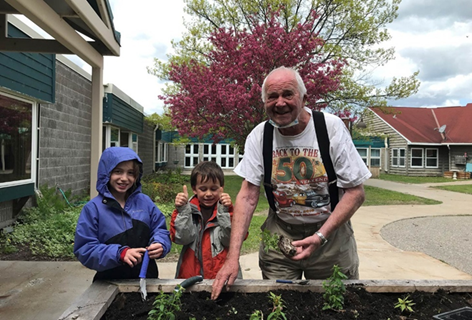
Although the number and types of intergenerational shared sites have grown in recent years, more attention has been paid to sites in urban rather than rural communities. Faced with declining populations, workforce shortages in eldercare and childcare, limited philanthropic resources, transportation barriers, broadband/digital infrastructure challenges, and a limited number of service providers, rural communities are ideal locations for shared sites.
Formal and informal intergenerational spaces can help reduce social isolation and loneliness, stretch limited resources, enhance staff retention, and promote the engagement of all age groups. Building on strong family and community norms that value interdependence and collaboration, a growing number of rural areas have created innovative shared sites and programs to foster intergenerational connection. Settings such as farmers’ markets, greenhouses, town centers, pavilions, parks and trails, community gardens, community centers, church halls, art collectives/museums, libraries, local restaurants, schools, nursing homes, senior housing, and childcare centers are serving as gathering places and hubs for service delivery, civic engagement, and lifelong learning.
This issue will highlight examples of rural intergenerational spaces and provide a list of resources to guide those interested in focusing on this work.
This newsletter is presented as part of Generations United’s Shared Site Learning Network, made possible with support from The Eisner Foundation.
Program Highlight
AGE to age, Northland Foundation, Minnesota
The Northland Foundation is a publicly supported, place-based foundation working in rural Northeast Minnesota and neighboring Native Nations. Since 2008, the AGE to age program has joined thousands of young people, older adults, and the generations in between to build friendships and benefit their rural communities. Eighteen rural communities and three tribal nations have been involved in this initiative. According to Northland Foundation’s data, “97 percent of youth report increased leadership skills and opportunities to volunteer, and 95 percent of older adults report a renewed sense of purpose and community connections.” Across the communities involved, 9,475 people have been engaged in the programs each year, ranging in age from 5 to 55-plus. Each community has unique programs that focus on what is important in that area.
Articles:
https://northernwilds.com/creating-an-intergenerational-community/
https://diverseelders.org/2018/01/17/intergenerational-programs-thrive-in-rural-minnesota/
For more information, contact Zane Bail, Senior VP of Programming and Development: Zane@northlandfdn.org
Here is a closer look at four of the communities in AGE to Age.
Moose Lake, Minnesota
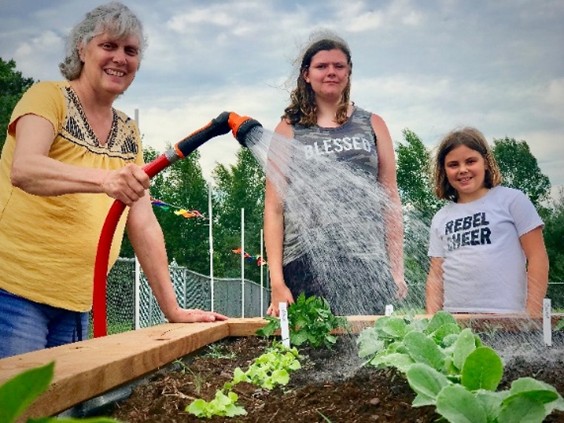
Moose Lake, a village of 2,789 residents, has been involved in AGE to age since 2008. Since that time, a variety of intergenerational gathering places have been created, including a Pavilion that hosts a weekly Farmer’s Market with entertainment for all ages, community gardens, a greenhouse, and school forest trails. The Pavilion, originally built in 2012, has been transformed into Generations Park, featuring barbecue stands and well-maintained grounds. The community garden, located near the new elementary school, has 22 raised beds and attracts all ages to participate in gardening activities. In 2021, Moose Lake created a mile of trails, two outdoor pavilions, and an outdoor classroom adjacent to the school. Based on recommendations from the AGE to age Advisory Council, composed of youth and elders, benches, wooden bridges, and picnic tables were added to this area. The council’s efforts have also led to various intergenerational activities, including a walking club and water sampling. Most recently, a new sidewalk and a community fence featuring vinyl panels with self-portraits of children and older adults reinforce the message that Moose Lake is a welcoming community for residents of all ages.
For more information, contact Vicki Radzak, Community Educator: vicki.radzak@isd97.org
McGregor, Minnesota
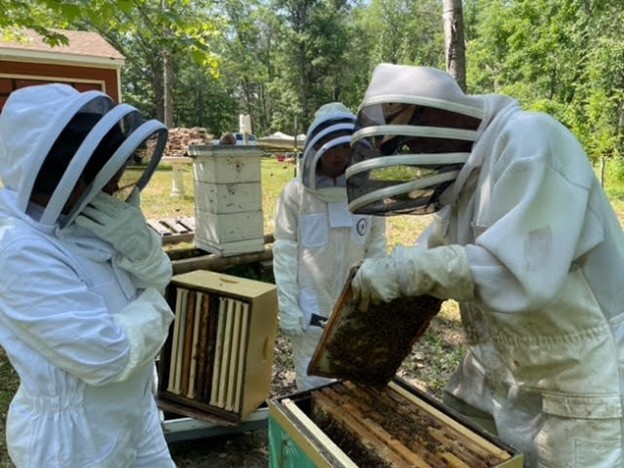
In McGregor (population 384), the Thrive Center coordinates activities that bring the generations together. The Center is a 3,500-square-foot space that includes 2 pavilions serving as outdoor classrooms, 2 indoor classrooms, a commercial kitchen, a cafeteria, and an atrium. It is the culmination of several years of planning by Something Cool Inc., the non-profit, volunteer-run organization that oversees the Kids Plus and AGE to age programs. The Center provides space for small community or family events, a recreation center for youth use after school and in the summer, and a location for providing services through collaborative partnerships. It offers a variety of intergenerational activities, including a Grand Friends Pen Pal program, the Ultimate Social Club for older adults, and after-school programming involving older volunteers. An entrepreneurship program engages older adults to teach crafts to youth, who then sell their creations at the Neighborhood Goods store. A Beekeeping Club was created, involving members of 23 households. Outdoor spaces, such as a paved area with garden boxes, a pergola, a pickleball court, and a greenhouse, provide opportunities for a variety of activities that bring youth, older adults, and families together for meaningful interaction.
For more information, contact Cheryl Meld, Executive Director of Something Cool, Inc.: cmeld@isd4.org
Ely, Minnesota
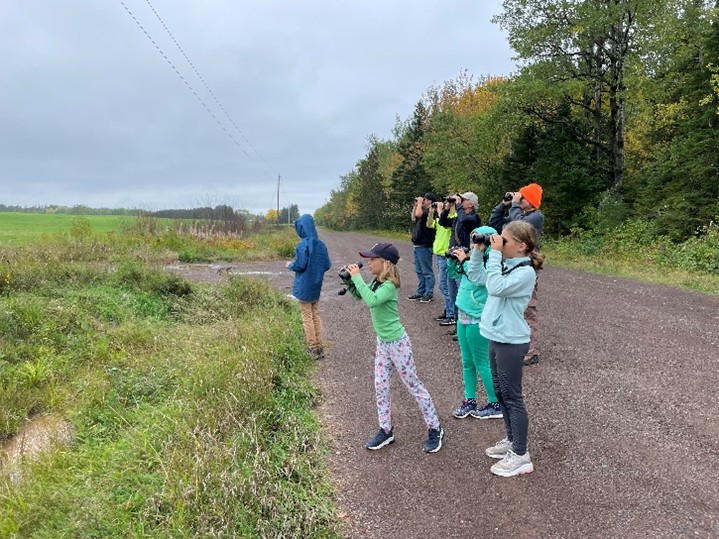
Intergenerational activities in Ely (population 2,300), are embedded in youth programs offered by the Ely Community Resource Center. Ely Community Resource provides free programming for K-12 youth, including educational enrichment activities, recreational activities, and general support in school and after school. Mentoring and multigenerational relationships are key to the Center’s approach and are present across all programs. A dedicated group of volunteers, half of whom are retirees, assists with these programs. Activities include youth and older adults gardening together at the ECR Children’s Garden, intergenerational crafts workshops, singing, baking, birding, and visits to residents at the assisted living facility. Field trips led by the Ely Field naturalists, many of whom are older adults, are a core component of the after-school and summer programs. Strong partnerships with the local school, the city, the library, the area assisted living facility, and nursing homes, as well as Northwoods Partners’ seniors, are critical to Ely’s intergenerational efforts.
For more information, contact Jill Swanson, Executive Director, Ely Community Resource Center and Ely Key Club Advisor: jill@elycommunityresource.org
Aurora, Minnesota
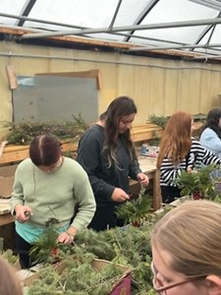
An intergenerational greenhouse coordinated by the Mesabi East Environmental Education Center (ME3C) has become a shared site for youth and older adults in Aurora (population 1678). ME3C was previously a greenhouse and floral gift shop that operated in the community for over 30 years. Repurposed by the local school district, the greenhouse is located half a mile from the school. It has five large hoop houses, a 30×50 greenhouse, and classrooms. There are 35 raised beds in a community garden, maintained by older residents and used alongside student gardens to promote learning and collaboration. ME3C also hosts additional community gardens on-site with support from multiple grants. In the greenhouse, students and older volunteers help with various tasks such as transplanting tomatoes and pruning basil. Students are educated on hydroponics, microgreens, Farm2School, environmental responsibility and stewardship, sustainability, food processing/preservation, Landscape and Floral Design, and traditional gardening methods.
For more information, contact Rachel Doherty, Mesabi East Environmental Education Center Manager and Agriculture teacher: rdoherty@isd2711.org
Intergenerational Care Programs in Rural Communities
“Intergenerational Care Programs and The Future of Rural Communities,” a recent article by Jessica Cantrall in The Community Psychologist, explores how intergenerational care programs can address childcare and eldercare shortages in rural communities while fostering meaningful connections between older adults and young children and strengthening overall community well-being. Read more here.
EXAMPLES:
The Life Center, Kansas
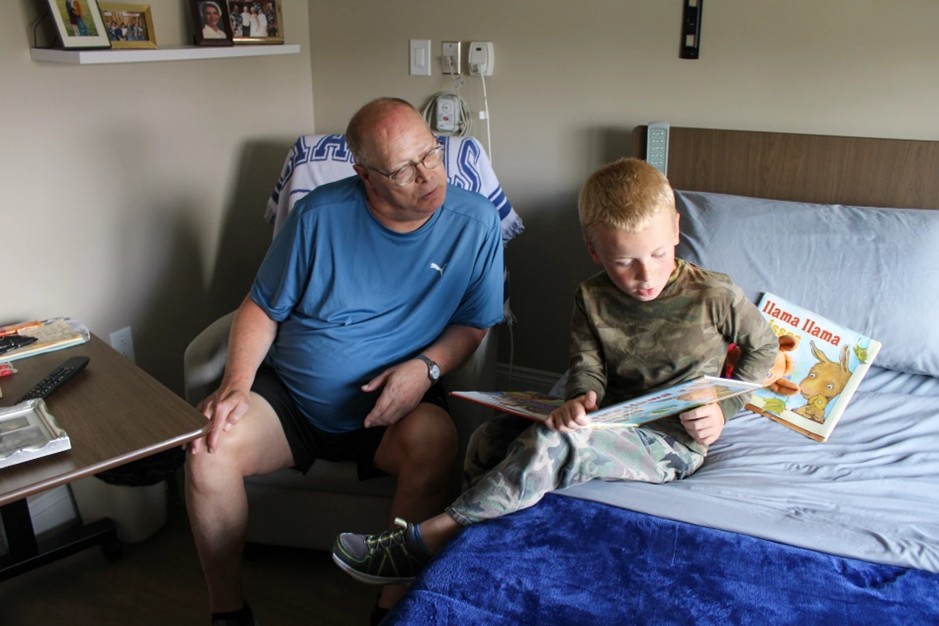
The town of Logan, with a population of less than 500, recently opened the Life Center, a facility that integrates a 36-bed skilled nursing community and a new pre-K through 4th-grade school. To encourage connections between residents and students, the project includes an intergenerational playground and garden, and older adults are encouraged to participate in school functions and classroom activities. The setup allows nursing home residents to volunteer in classrooms and assist with science projects, and it provides learning opportunities for children. One class is interviewing residents and recording their life stories. High schoolers can job-shadow physical therapists and speech-language pathologists.
Video: https://www.khi.org/articles/all-in-for-all-ages-with-the-logan-life-center-episode-15/
For more information, contact David Kirkendall, Principal: dkirkendall@logan326.net
Fairview Manor and Tiny Images, Nebraska
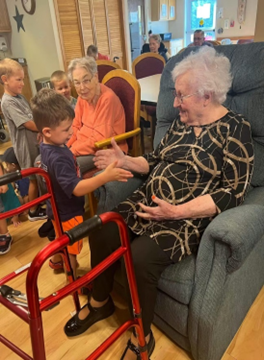
In Fairmont, Nebraska, residents of the Fairview Manor, a city-owned nursing home, and children from Tiny Images, a childcare center located inside the Fairview Manor, interact regularly. Informal visits and structured intergenerational activities, such as sing-alongs, arts projects, and games, are integrated into daily programming. Lunch is prepared and delivered by nursing home staff to the childcare center, and occasionally, the children and older adults eat snacks together.
For more information, contact Tami Scheil, Administrator of Fairview Manor: tscheil@fairviewmanor.org
Nebraska’s Intergenerational Care Facility and Incentive Grant Program
Nebraska Legislative Bill 904 (LB 904) created the Intergenerational Care Facility Incentive Grant Program within the Department of Health and Human Services (DHHS) to help nursing homes establish licensed on-site childcare. The law initially allocated $300,000 from the Medicaid Managed Care Excess Profit Fund for FY 2024–2025 to provide one-time grants supporting start-up and renovation costs, with priority given to rural communities. Recognizing the opportunity to broaden the program’s impact, State Senator Dan Quick introduced LB 721 in 2026 to allow funds to support the expansion of existing intergenerational programs as well as new ones, while also clarifying that for-profit facilities are eligible to apply.
To learn more about this program, check out the recording of Generations United’s February policy webinar, which includes a panel detailing the legislation and new program.
Generations, An Intergenerational Center, Wisconsin
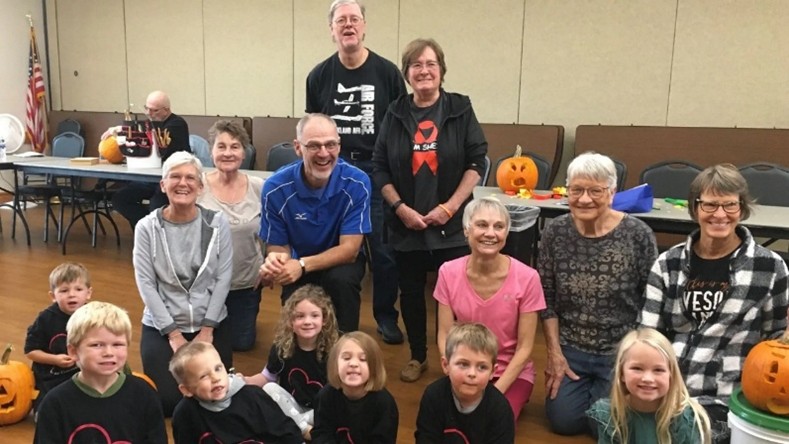
In Plymouth, Wisconsin, a community of approximately 9,000 people, the Generations Intergenerational Center shares its facility with multiple non-profit organizations (the Family Resource Center of Sheboygan County, Growing Generations Child Care Center, Safe Harbor of Sheboygan County, and The Aging and Disability Resource Center). The Generations community center has a membership of 1,200 and serves as a resource and lifeline for multiple populations in the area. There are opportunities for older adult volunteers to serve as Morning Readers in the day center, participate in monthly intergenerational arts and exercise programs, and interact informally with children. Generations has a large gathering space, high-vaulted ceilings, and other rooms for fitness and craft activities.
For more information, contact Meghann Weeden, Chief Operating Officer: mweeden@generationsic.org
Generations Vermont (In planning)
To address the child and adult day care crisis in Central Vermont, Generations Vermont is planning to build an 8,000-9,000-square-foot intergenerational day services site in Berlin, VT (population 2,849). This facility will provide early childhood education, support for adults with disabilities, and assistance for older adults living at home, serving 75-90 participants across three small towns. The design features a U-shaped layout with shared spaces, including a courtyard, gross motor area, kitchen, and offices. Key consultants, partner organizations, and a location have been identified. The focus this year will be: site engineering, building design, marketing, and fundraising. Generations VT will seek funding from USDA (loan), a community block grant from the town of Berlin, and a grant from the Northern Borders Regional Commission. The facility is scheduled to open in 2028.
Check out the Generations Vermont goal statement.
For more information, contact Erin Clark, erin@generationsvermont.org
Play Haven, Iowa (In planning)
A new childcare facility is being developed in the small town of Walnut, Iowa. The facility will be in one wing of the current independent living Peace Haven Retirement Home and will serve approximately 65 children. In addition, a playground will be built in one of the retirement home’s courtyards. Children and older residents will participate in a wide range of shared, structured activities to enhance the quality of life and connection for everyone involved.
Video: https://www.youtube.com/watch?v=ekmB4d1H4fU
Rural Intergenerational Community Planning
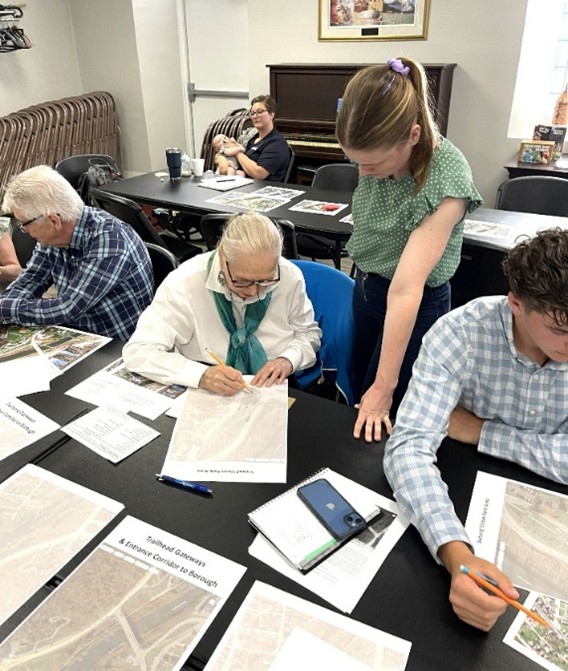
In 2024, a 6-to-9-month Intergenerational Living Community Planning Initiative was conducted in two Western PA communities- Ridgway and Freeport. A team led by Penn State Extension educators and specialists worked with local stakeholders (e.g., municipal and county officials and staff, school district representatives, aging offices and senior centers, community non-profit organizations and their volunteers, and high school student leaders) to identify local issues, gather input from all age groups, brainstorm solutions, and facilitate collaborative intergenerational projects. Each pilot community formed its own Intergenerational Living Planning Group that fostered multigenerational idea exchange and learning. Creative collaborative methods, including community data analysis, asset mapping, cross-generational interviewing/visioning exercises, and education on placemaking strategies, were used in this community planning effort. After the initial planning, the project was turned over to key local stakeholders. A Penn State Extension curriculum entitled “Creating Intergenerational Communities: A Facilitator’s Guide to Intergenerational Visioning, Placemaking and Relationship Building” is being developed.
Video: https://www.youtube.com/watch?v=BWhY2SoAi6E
For more information, contact John Turack, Education Specialist: jdt15@psu.edu
Programs/Activities that Connect Generations in Rural Areas
GrandPals, Canada
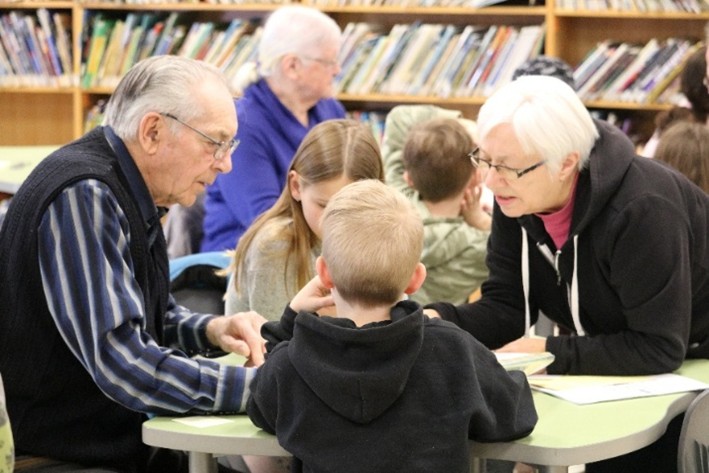
GrandPals is a 10-week intergenerational program that brings older adults and elementary school students together to build relationships through storytelling, conversation, and shared reflection. Each week, a small team of GrandPals (adults 55 and older) visits a classroom of students in grades 5 to 8. Through guided discussions, life story prompts, and collaborative activities, students and older adults connect across generations. These sessions build empathy, strengthen communication skills, and foster a sense of purpose and belonging — both for students and GrandPals. Weekly journaling and a final project in which each student captures a unique story in writing and artwork are key elements of the program. Experienced GrandPals, retired teachers, and administrators often serve as orientation facilitators.
The GrandPals Network consists of schools, seniors’ organizations, libraries, and municipalities working together to strengthen intergenerational connections across Canada. Currently, GrandPals works with approximately 300 older volunteers across 12 sites in Canada. The following blogs describe how the program works in two rural communities.
One of the key challenges in rural communities is the lack of staff to manage volunteers. To simplify program management, the GrandPals Network has created a technology platform designed to simplify the recruitment, training, and monitoring of older volunteers as well as provide curated resources to teachers, coordinators, and GrandPals (e.g., recruitment flyers and presentations, volunteer orientation materials, theme-based storytelling guides, and evaluation tools). This technology platform has significantly strengthened organizations’ capacity to operate the program.
Video: https://www.youtube.com/watch?v=Avt4xr611kI
For more information, contact Marc Mailhot: marc@grandpals.app
Men’s Sheds, Scotland
Originating in Australia, the Men’s Shed movement has rapidly spread worldwide, offering a simple yet profound solution to the epidemic of isolation. At its core, a Men’s Shed is more than just a physical space for woodworking, metalworking, and other activities. It is intended to be a refuge where men gather, learn skills, engage in community projects, and most importantly, forge friendships. In Scotland, the Mintlaw & District Men’s Shed’s Intergenerational Project was created to bring older Shed members and local young people together to share skills, stories, and support, breaking down barriers and building stronger, healthier communities. Several young men from Mintlaw Academy spend 1-2 days per week learning trade and life skills from the older men and building mutually beneficial relationships. A number of Men’s Shed members have also helped students in the woodworking class at Mintlaw Academy.
For more information, contact Gordon Reid: Mintlawmensshed@outlook.com
Video: https://www.youtube.com/watch?v=wimnbkCYAGA
Tellegacy
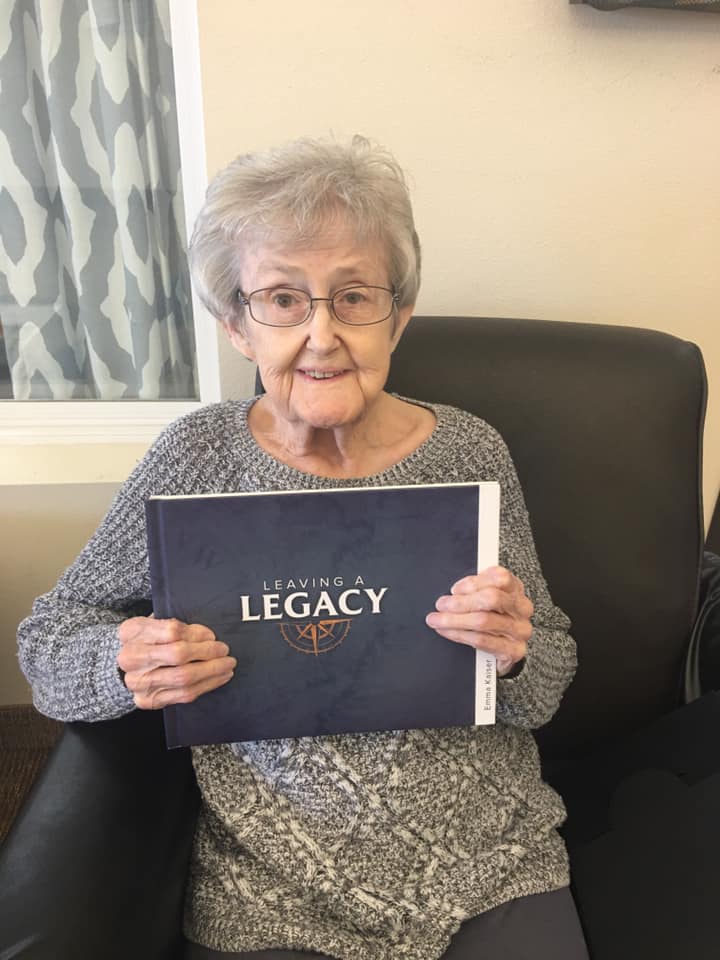
Tellegacy is an intergenerational program designed to improve the mental and emotional health outcomes for older adults. Volunteers and university students, known as Legacy Builders, connect with older adults living in their homes or in retirement communities, nursing homes, and assisted living facilities via in-person, phone, or virtual visits. The curriculum focuses on mindfulness, SMART goal-setting, growth mindset, visualization goal-setting exercises, and legacy questions. It can be used to strengthen any existing college/university course. A digital or physical legacy book is provided to the older adult upon completion of the sessions. The program works well in rural communities where there are large distances between students and long-term care facilities, and limited administrative staff to operate it. Examples include:
- Hemingford, Nebraska, where the Panhandle Public Health District secured funding to launch its first Tellegacy Program to strengthen connections across dispersed communities in Nebraska’s Panhandle.
- Valley City, North Dakota, where SMP Health St. Raphael and Valley City State University partnered to bring together skilled nursing residents and university students for structured weekly engagement.
- Rural Frontenac, Ontario (Canada), where Rural Frontenac Community Services adapted the Tellegacy model to demonstrate measurable reductions in isolation and improvements in belonging.
Article: Tellegacy: An Intergenerational Wellness and Health Promotion Project to Reduce Social Isolation and Loneliness in Older Adults: A Feasibility Study https://www.mdpi.com/1660-4601/20/23/7094
For more information, contact Jeremy Holloway: jeremy.holloway@tellegacy.com
International Sonoran Desert Association, Arizona
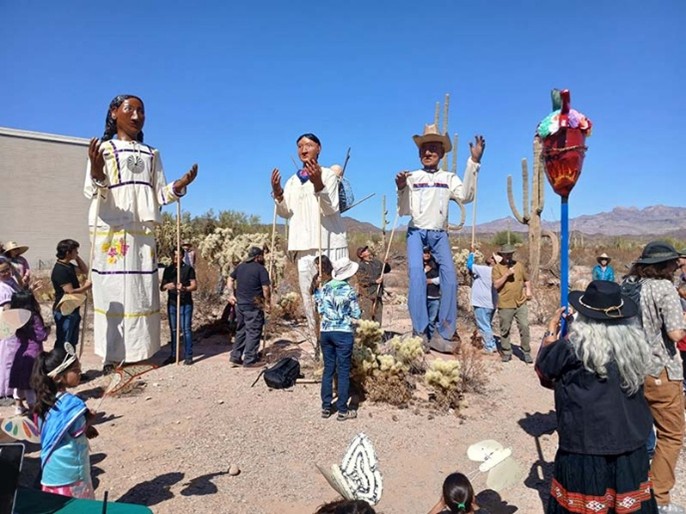
The International Sonoran Desert Association (ISDA) in Ajo, AZ, represents a unique intersection of nations, peoples, and rich cultural heritage. ISDA has been integrating intergenerational strategies into its work for many years. It converted an old school building into the Curley School Artisan Apartments for artists of all ages, developed a community learning center that offers a host of lifelong learning and workforce readiness opportunities, and created an apprenticeship program involving seasoned tradespeople as mentors for young adults wanting to learn a multi-trade skill set. To honor the region’s rich cultural diversity, ISDA offers a variety of intergenerational events in its renovated Town Square. Every year around September 21st, in collaboration with local schools, businesses, civic organizations, and partners in Mexico and on the Tohono O’odham Nation, the International Day of Peace celebration is held. The Ajo town plaza is decorated with peace-themed 4’ x 8’ wooden murals sponsored by local businesses, designed by local artists, and painted by the community, along with culturally inspired decorations. The celebration begins with the annual After School Peace Festival held on the Ajo Unified School District campus. From there, people of all ages from Ajo, the Tohono O’odham Nation, and Mexico parade to the town plaza, carrying 1,000 origami peace cranes (a gift from a Japanese peace delegation). Large dove puppet kites with 15-foot wingspans, dove and raven headdresses, giant Sonoran Desert “critter” puppets, peace poles, and peace flags are all featured in this colorful multicultural community parade of about 200 participants. Another cross-cultural event, Beyond Borders, brought together a younger O’odham artist and a more established national artist to create large-scale puppets across the three communities. A processional included a broad cross-section of ages.
Video: Beyond Borders: A Tri-national Puppet Procession Teaser https://www.youtube.com/watch?v=ZkXsbLBj-Is
For more information, contact Vicki Tapp, Community Outreach: vicki@isdanet.org
Dancing with the Spirit, Alaska
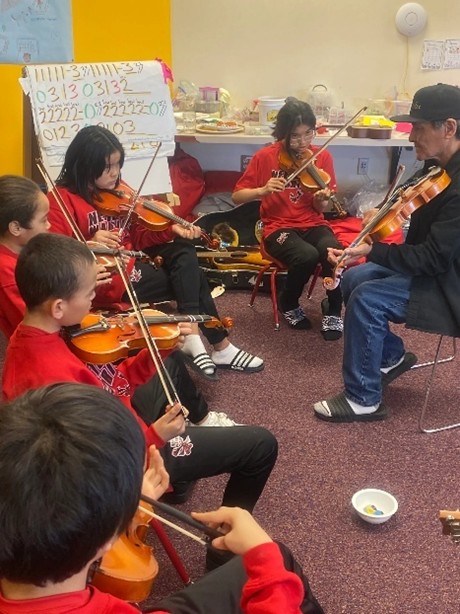
Dancing with the Spirit is a week-long intergenerational music camp that connects youth and elders through school music programs and camps–promoting spiritual, physical, and mental wellness with the joy, love, and hope of music. It is designed to prevent suicide, drug, alcohol, and domestic abuse by building self-esteem, preserving musical traditions, and encouraging strong, healthy communities. Working with school districts and tribes across Alaska, this traveling music camp operated 52 Music and Culture Weeks in Native Alaskan villages over the past two years. The Director of Dancing with the Spirit, Belle Mickelson, has brought her intergenerational traveling music camp to 57 remote Alaskan villages, as well as Hawaii, the Navajo Indian Reservation, Canada’s Northwest Territories, and Ontario’s Six Nations Reserve. Mickelson often travels with the Rev. Dr. Chief Trimble Gilbert, a Gwich’ in elder, musician, and Episcopal priest from Arctic Village.
Video: https://www.youtube.com/watch?v=YZNaL4_yGO4
Newsletter: https://dancingwiththespirit.org/2024/june-2024/
For more information, contact Belle Mickelson: dancingwiththespiritak@gmail.com
Jasmine Moran Children’s Museum, OK (In planning)
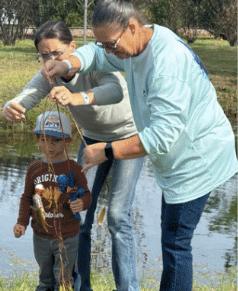
In the small, rural community of Seminole, OK, the Jasmine Moran Children’s Museum is building Nature Tales Trails, an interactive, intergenerational outdoor walking space. This new project represents an innovative way to welcome older adults and bring together different generations through meaningful activities. The project will include an accessible nature trail that winds through 10 environmentally themed garden areas. The trail will include wheelchair and stroller passing places and rest areas. The themed spaces include a rain garden, riparian areas, a stream bed, a food forest, a wildflower garden and apiary, bird and butterfly gardens, and a bog filter bed. Magnifying glass stations and hands-on activities along the route will provide guests of all ages with multiple entry points for further exploration. Nature-themed play spaces, loungers, and benches will be placed at various points along the route to encourage both open-ended play and nature meditation. The trail route passes around the museum’s pond. Two bridges and docks will provide access to the pond’s island. Catch and release fishing and pond sampling activities will offer additional opportunities to explore. The nature trails are opening this summer.
For more information, contact Eileen Castle, Executive Director: ecastle@jasminemoran.com
Tips from the Field
- Look for a wide variety of partners, such as Extension Services, Farmer’s Markets, Farm Shows, Community Education, rural health centers/hospitals, schools, community colleges, libraries, Fire Departments, Lion’s, Rotary, and Kiwanis Clubs, cultural centers and events, rural museums, recreation/community centers, YMCA, Men’s Sheds, 4-H, and Chamber of Commerce.
- Use personalized approaches and connections to develop partnerships, engage participants, and build trust.
- Engage local leaders to help market and support your program.
- Embed Intergenerational programming into existing youth or older adult programs to ensure sustainability.
- Empower youth and older adults to take leadership roles. Create an intergenerational advisory committee to help guide your work.
- Ask local businesses to sponsor programs and events.
- Highlight community culture by incorporating local heritage, art, and traditions into space design.
- Focus on activities that draw upon the strengths of participants and promote the sharing of skills and experiences, including community gardening, storytelling, technology workshops, teaching of traditional arts and crafts, and intergenerational entrepreneurial projects.
Resources
- Building an Inclusive Rural Placemaking Community Space
- One Community- Many Generations Guidebook
- Intergenerational Event Planning
- Bringing generations together for change
- Why Third Places are Vital to Rural Communities
- Extending the Together, We Inspire Smart Eating Curriculum to Intergenerational Nutrition Education: A Pilot Study
- Intergenerational Connections to Enrich Family Life
- Intergenerational Programming in Libraries
- Community Colleges as Anchor Institutions in Rural Areas
- Bridging the Gap: Creating Intergenerational Alliances in Men’s Sheds
- Honoring Elders: Native American Intergenerational Bonds
- The Power of Intergenerational Learning in Indigenous Cultures
- Cornell Garden-based learning
Upcoming Events
Virtual Meeting – Intergenerational Shared Sites: Lessons Learned and Future Opportunities
A wide variety of intergenerational shared sites have been developed over the past decade, ranging from combined adult and child day care centers to intergenerational community centers, schools, housing, and outdoor spaces. Join us on Thursday, March 26, from 1:00-2:00 PM ET for this interactive session to both connect with other practitioners and help guide the future of this work. We will learn about each other’s work, share successes and challenges, and explore strategies for significantly increasing the number and quality of shared sites. Attendance is free, but all participants must register in advance. Register here.
2026 Mid-Atlantic Intergenerational Conference
Save the date for the 2nd Biennial Mid-Atlantic Intergenerational Conference (June 3-5, 2026 – Atlantic City, NJ) – Hosted by the Stockton Center on Successful Aging in partnership with Penn State University. Join colleagues and meet new friends from across the region to share ideas, successes. and challenges in creating intergenerational opportunities for all. The 2026 conference will include workshops, panel discussions, round tables, poster sessions. and individual presentations. We’ll also make time for intergenerational fun and site visits to organizations that strengthen intergenerational connections. Learn more and register.
Global Intergenerational Congress
Save the Date: Tuesday 29th September to Thursday 1st October 2026, for the Global Intergenerational Congress in Glasgow, Scotland. Hosted by Generations Working Together, with support from expert researchers and practitioners worldwide, the Congress will feature cutting-edge research, projects, and practices across a wide range of intergenerational topics. Learn more and register.